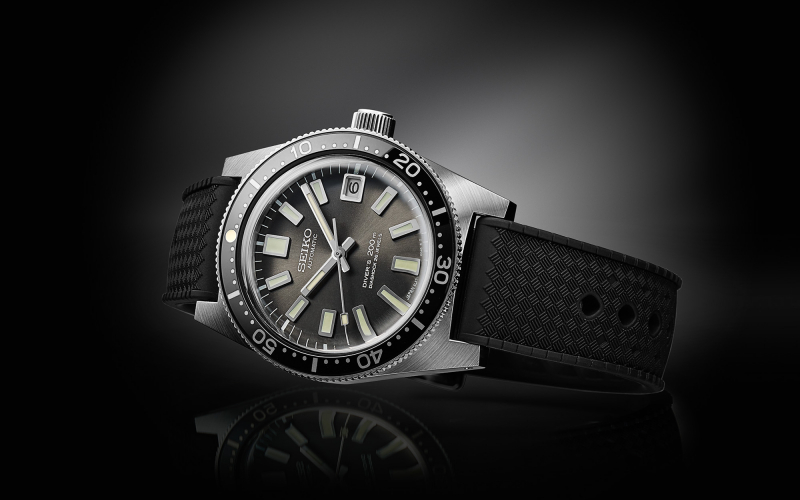

When delving into the world of watches, one is likely to encounter the terms ‘automatic’ and ‘quartz.’ These terms denote the movement of a watch, i.e., the engine that makes it tick. Understanding the difference between automatic and quartz watches is crucial for any watch enthusiast or prospective buyer
The heart of the watch: the movement
The movement, also known as the caliber, is arguably the most essential part of a watch. It’s the mechanism that drives the hands around the dial and powers any additional complications like a chronograph, dual time zone, or calendar. There are primarily three types of watch movements: mechanical, automatic (a subset of mechanical), and quartz.
Mechanical watch movements
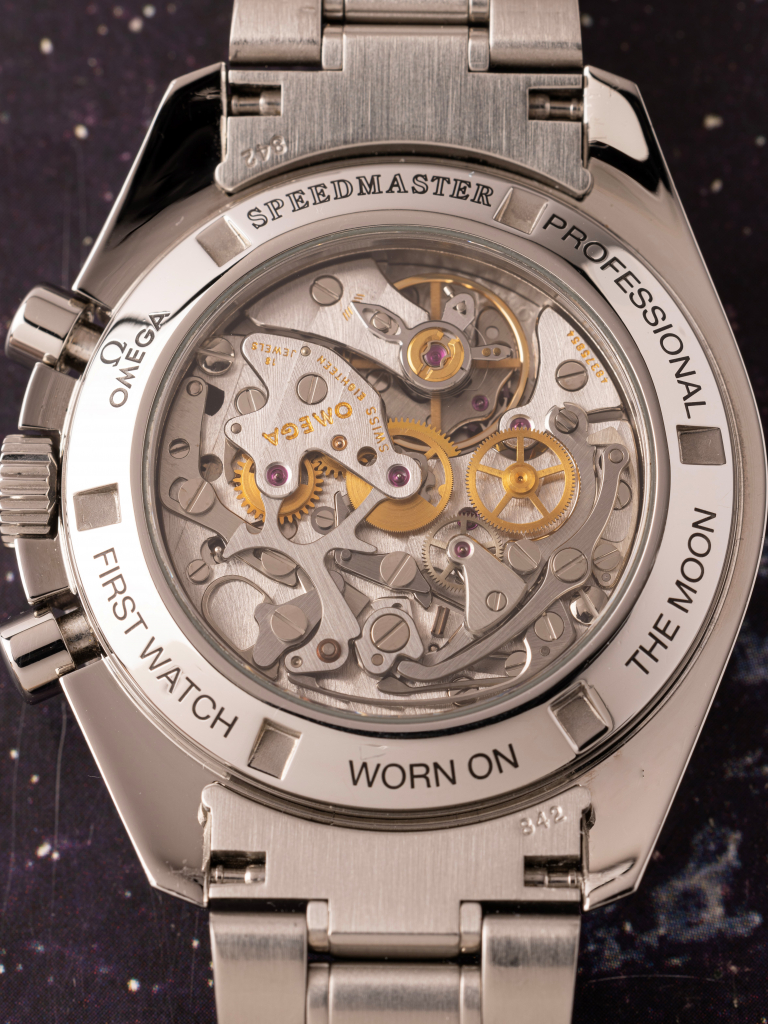
Mechanical watches are powered by a complex array of gears and springs. They are often hand-wound, requiring the wearer to manually turn the crown to store potential energy in the mainspring. The escapement then controls the release of this energy, driving the timekeeping functions. The main components of a mechanical watch movement are:
- Energy Source: The power reserve or energy source for a mechanical watch comes from the mainspring, a coiled metal wire wound tightly by the winding stem or crown. This energy is slowly released as the mainspring unwinds, which then powers the watch. For manual watches, the mainspring needs to be wound by hand, while automatic watches have a rotor that winds the mainspring with the wearer’s wrist movement.
- Gears: Once the mainspring has been wound and starts to release its energy, the gears or the wheel train come into play. These gears carry the energy from the mainspring to the escapement. The wheel train generally consists of the center wheel, third wheel, fourth wheel, and the escape wheel, each having a specific function in the transmission of energy.
- Escapement: The escapement is one of the most critical components as it transforms the stored energy from the mainspring into regulated impulses. The escapement consists of the escape wheel, pallet fork, and balance wheel. The pallet fork locks and unlocks the escape wheel at regular intervals, causing the “tick-tock” sound.
- Balance Wheel and Hairspring: The balance wheel and hairspring work in conjunction to control the speed at which the gears of the watch move, thereby regulating the timekeeping mechanism of the watch. The balance wheel oscillates back and forth, with each swing allowing the escape wheel to move forward by a certain amount. The hairspring, connected to the balance wheel, ensures that the balance wheel swings back and forth at a constant rate.
- Jewels: Rubies, or synthetic rubies known as jewels, are used in mechanical watches to reduce friction between moving parts, increasing the watch’s lifespan. These jewels are extremely hard and smooth, allowing the gear trains to move more freely.
- Dial Train: The dial train, consisting of the hour, minute, and sometimes second hands, is directly connected to the gear train. The dial train translates the movement of the gear train into the hands’ movement, allowing us to read the time.
- Complications: Any function that a mechanical watch performs beyond basic timekeeping can be considered a complication. This includes features such as a date display, chronograph, or a moon phase indicator.
The mechanical watch movement is a beautifully complex machine that operates on the principles of mechanics and physics. Its operation begins with the winding of the mainspring (either manually or by the movement of the wearer in an automatic watch). The energy is then transferred through the gears to the escapement, which regulates the release of this energy in a controlled manner. This is then translated into timekeeping by the dial train, with the balance wheel and hairspring ensuring accurate timekeeping. And it all happens within the small space of a wristwatch.
Automatic watch movements: the self-winders
An automatic or self-winding watch is a type of mechanical watch with a mainspring that winds automatically due to the natural motion of the wearer’s wrist, providing the energy necessary to run the watch, as opposed to manual winding.
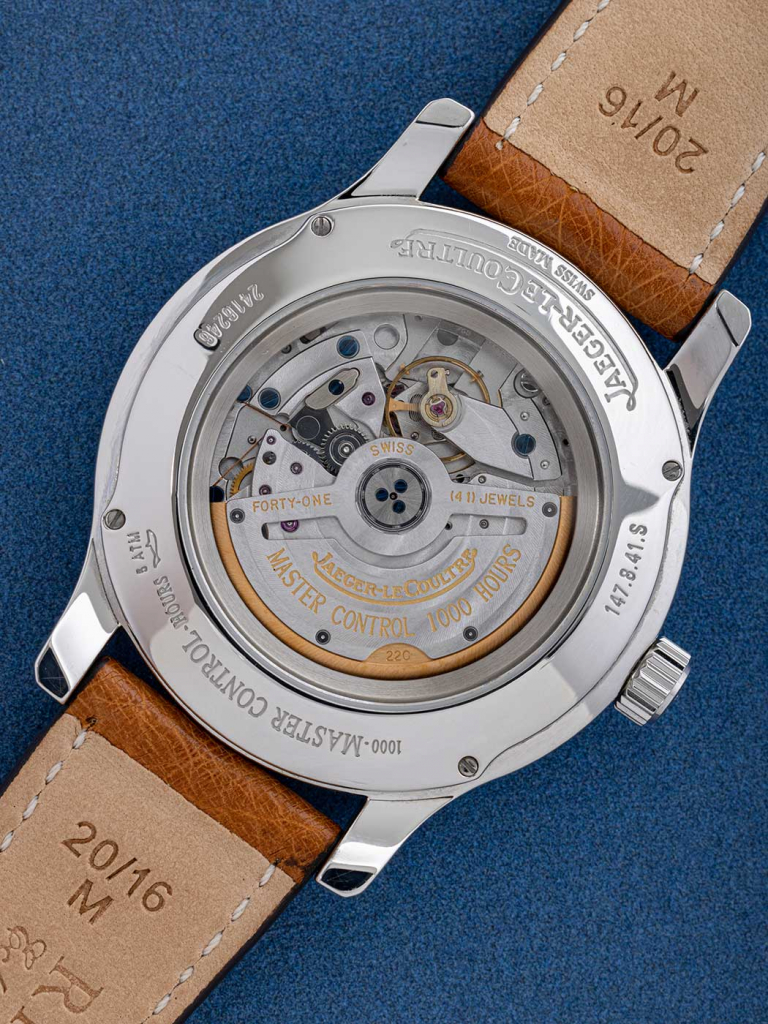
Here are the primary components of an automatic watch and how they differ from a manual watch:
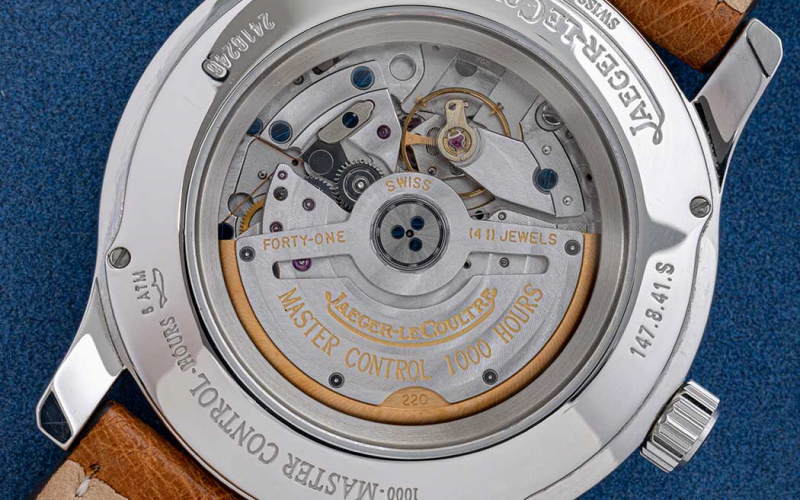
- Rotor: The major addition to an automatic watch is the rotor, a semi-circular piece that swings freely in 360 degrees with the motion of the wearer’s wrist. This movement winds the mainspring, which in turn powers the watch.
- Winding Mechanism: In an automatic watch, there’s a special mechanism that allows the watch to wind itself as you move. This mechanism typically involves gears and wheels that transfer the energy from the rotor to the mainspring.
- Slipping Clutch or Mainspring Bridle: To prevent the watch from getting over-wound when the maximum power reserve has been reached, automatic watches typically include a slipping clutch or a specially designed mainspring bridle. These devices allow the mainspring to slip and prevent any damage from excessive tension.
- Automatic Module: In some cases, automatic watches are made by adding an automatic winding module to a manual winding movement. This module includes the rotor, winding mechanism, and often some kind of reversing mechanism to allow bidirectional winding.
- Reverser Mechanism: Some automatic watches include a reverser mechanism that lets the rotor wind the mainspring in both directions of its rotation, increasing the efficiency of the winding process.
- Pawls and Ratchet Wheel: The pawls and the ratchet wheel in an automatic watch are designed to prevent the rotor’s motion from unwinding the mainspring.
In summary, an automatic watch is quite similar to a manual mechanical watch in terms of the primary components involved in timekeeping. The key difference lies in how the mainspring, the power source of the watch, is wound. In an automatic watch, the mainspring is wound by the kinetic energy captured from the wearer’s wrist movement, whereas in a manual watch, the mainspring must be wound by hand, typically by turning the crown.
Quartz watches: accuracy meets affordability
Quartz watches, introduced in the 1960s, brought about a revolutionary shift in timekeeping. These watches use a battery as their primary power source. The battery sends an electric current through a tiny quartz crystal, making it oscillate at a frequency of 32,768 times per second. This vibration is measured by the circuit and converted into a single pulse per second, moving the watch hands at precise one-second intervals.
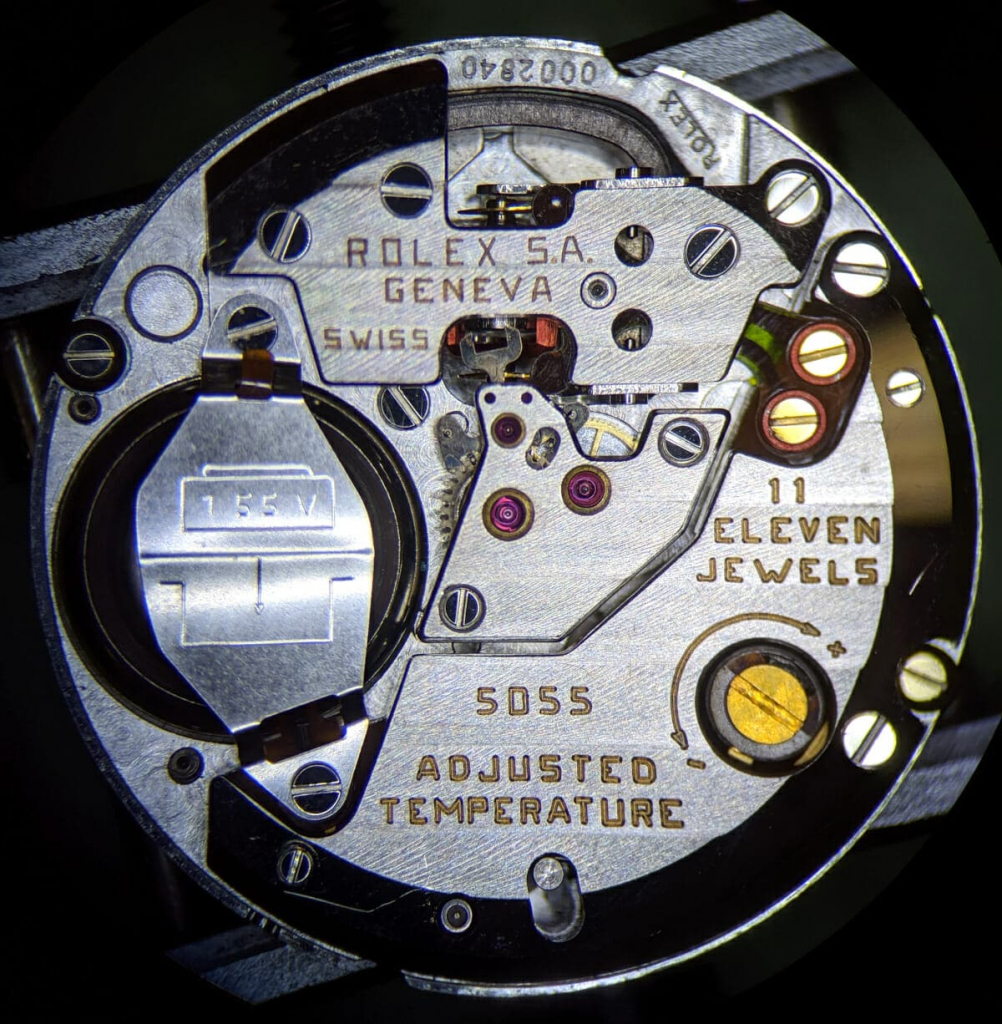
Compared to mechanical and automatic watches, quartz watches are highly accurate, more affordable, and require less maintenance. However, they lack the charm and intricate craftsmanship associated with their mechanical counterparts.
Here are the primary components and operation principles of a quartz watch:
- Battery: The power source of a quartz watch is a small battery. Unlike mechanical watches which require winding, the battery in a quartz watch typically lasts a couple of years before needing replacement.
- Quartz Crystal: This is the heart of a quartz watch. The quartz crystal is cut into a tiny tuning-fork shape and is the timekeeping element in the watch. Quartz crystals are piezoelectric, which means they generate an electric voltage when pressure is applied to them. Conversely, when an electric voltage is applied, the quartz crystal oscillates at a precise frequency.
- Integrated Circuit: The battery sends an electric current to the quartz crystal through an integrated circuit. The quartz crystal then vibrates at a very high frequency (32,768 times per second). The integrated circuit then divides the crystal’s oscillations down to one pulse per second.
- Stepping Motor: The pulse sent from the integrated circuit drives a stepping motor, which converts electrical energy into mechanical power.
- Gear Train: Similar to a mechanical watch, the mechanical power from the stepping motor is transferred through a gear train. The gears reduce the rate of movement so that the second hand ticks rather than moves continuously. The gear train also controls the minute and hour hands.
While mechanical watches (both manual and automatic) are powered by a coiled mainspring and use a balance wheel to regulate time, a quartz watch is powered by a battery and uses the oscillation of a quartz crystal to keep time. This makes quartz watches significantly more accurate than mechanical ones, but they lack the intricate craftsmanship and tradition that mechanical watch enthusiasts often appreciate.
Choosing between automatic and quartz
Choosing between an automatic and quartz watch boils down to personal preference. If you value high precision and low maintenance, a quartz watch might be for you. However, if you appreciate the art of watchmaking and the intricacies of a mechanical movement, an automatic watch would be a suitable choice. Automatic watches often have a smooth sweeping motion of the second hand, while quartz watches move in distinct one-second steps.
Watchmakers offer both automatic and quartz movements, even high end brands like Omega and Rolex have produced quartz watches, providing options for a range of tastes and preferences. Whether you choose the intricate craftsmanship of an automatic or the precise timekeeping of a quartz, you’ll be joining the timeless tradition of watch-wearing.